Night and early rubbish collection rules near Greenwich Market
Posted on 23/10/2026
If you are dealing with rubbish near Greenwich Market, the awkward bit is often the timing. Night and early rubbish collection rules near Greenwich Market can affect traders, landlords, residents, venue operators, and anyone trying to clear waste without causing noise, blocked access, or awkward conversations with neighbours. The rules are not always simple, either. You have to think about collection windows, loading access, quiet hours, the type of waste, and what a realistic pickup looks like in a busy part of SE10.
This guide explains how the system usually works in practice, what to watch for, and how to avoid the kinds of mistakes that lead to delays, complaints, or extra costs. It is written for real-world use, not just theory. Truth be told, that matters around Greenwich Market more than people expect.

Why Night and early rubbish collection rules near Greenwich Market Matters
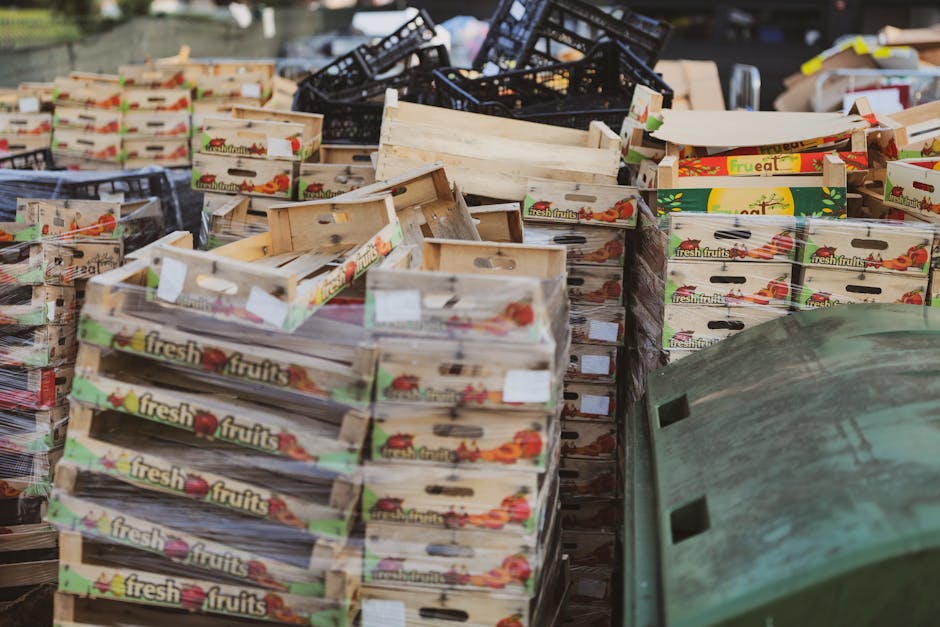
Greenwich Market sits in one of those places where foot traffic, deliveries, and local life all overlap. It is busy in the daytime, often tight for vehicles, and sensitive to noise at the edges of the morning and late evening. That is exactly why rubbish collection timing matters. A collection that seems harmless at 6:30am may be fine in one street and a problem in another. A pickup that works well for a trader on a quiet side road may be a nightmare outside a block of flats. Simple enough, but easy to get wrong.
The practical issue is balance. You want waste removed before it becomes a mess, smell, or obstruction, but you also want to avoid waking people up, blocking pavements, or creating congestion when commuters and traders are moving through. Around markets, timing is not a nice extra. It is part of the job.
There is also a reputation angle. If waste is left out too long, people notice. Bags torn open by seagulls, cardboard damp from a misty morning, boxes stacked by a loading bay - none of that looks good. In a place like Greenwich, where the setting itself matters, keeping waste movement controlled is part of looking professional.
Expert summary: The best rubbish collection plan near Greenwich Market is not just about removing waste quickly. It is about choosing the right time, the right access point, the right waste stream, and the right handling method so the collection can happen smoothly without triggering avoidable disruption.
If you want to understand the broader service picture first, it can help to look at the full range of local rubbish and clearance services available in Greenwich, because timing rules usually sit inside a bigger operational plan.
How Night and early rubbish collection rules near Greenwich Market Works
At a practical level, night and early rubbish collection near Greenwich Market usually comes down to four things: timing, access, waste type, and tolerance for noise. Different streets and sites can have different expectations, and the exact arrangements may depend on building rules, landlord instructions, market operating hours, and local restrictions. You cannot just assume a van can pull up at dawn and start loading. It sounds obvious, but people do it all the time.
1. Timing windows
Night collections are normally used when daytime access would create too much disruption. Early morning collections can be useful if waste must be cleared before trading starts or before residents leave for work. The key is that the collection time needs to fit the site. A good operator will ask questions about nearby residents, gate access, parking restrictions, and whether the vehicle can stop safely and legally.
2. Access and loading conditions
Near Greenwich Market, access can be the hardest part. Narrow streets, loading restrictions, shared entrances, and busy pedestrian routes can turn a simple job into a slow one. If a team cannot get close to the waste, collection may require hand-carrying items from a yard, store room, basement, or upper floor. That changes the time required and can affect whether a very early collection is realistic.
3. Waste type
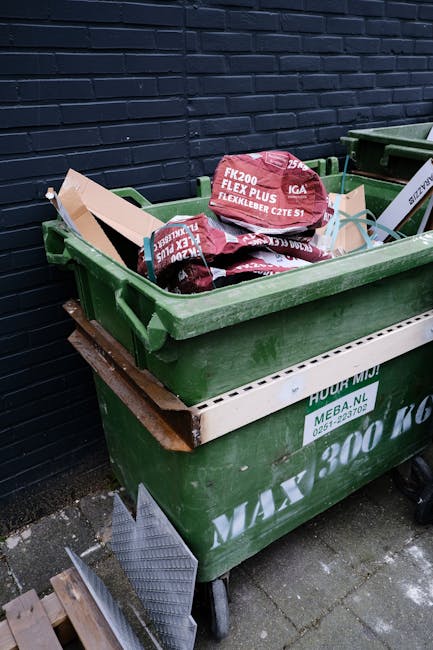
Not all rubbish behaves the same way. Mixed general waste, cardboard, furniture, broken fixtures, garden cuttings, white goods, and builder's rubble all have different handling needs. Some materials are noisier, bulkier, or messier than others. A pile of flattened boxes is one thing. A stack of old shelving and a cracked fridge is another story altogether.
If your waste includes bulky household items, you may find it helpful to compare with a dedicated furniture disposal service in Greenwich or a specialist appliance disposal option, because the collection approach is often different from standard bagged rubbish.
4. Quiet working practice
Quiet working matters a lot. That usually means avoiding unnecessary shouting, limiting slamming, handling items carefully, and planning the load so there is less back-and-forth movement. In many cases, the difference between a smooth early collection and a complaint is surprisingly small. One metal cage dragged across paving at 5:45am can set the tone for the whole street. People hear that sort of thing. Always.
Key Benefits and Practical Advantages
When night or early rubbish collection is set up well, the benefits are obvious. Less clutter. Less smell. Less stress. But the real advantages are a bit wider than that.
- Reduced disruption: early or night collections can keep waste activity away from peak footfall times.
- Cleaner frontage: businesses and residential buildings look better first thing in the morning.
- Better compliance with site rules: many properties prefer or require non-peak waste removal.
- Less chance of obstruction: rubbish is moved before trade, deliveries, or school-run traffic builds up.
- Improved neighbour relations: keeping noise and visual clutter under control reduces complaints.
- Faster reset for the next day: especially useful for traders and hospitality venues.
There is also a practical money angle. If waste is left until the wrong time, you may end up paying for a more awkward collection, extra labour, or a second visit. Nobody likes paying twice for the same pile of cardboard. Or, to be fair, for any pile of cardboard.
For businesses with recurring waste, a regular collection plan can be more predictable than ad hoc removals. If that is your setup, it may be worth reviewing commercial waste removal in Greenwich alongside your waste storage and timing plan.
Who This Is For and When It Makes Sense
This topic matters to more people than you might think. It is not just for market traders, even though they are often the first to feel the pressure.
- Greenwich Market stallholders who need waste moved before the market opens or after it closes.
- Shop owners and cafe operators trying to keep frontages tidy without interrupting service.
- Residents in nearby flats or terraces who need a quiet, organised collection.
- Landlords and managing agents coordinating clearances for tenants, refurbishments, or end-of-tenancy situations.
- Event organisers who need quick waste removal after a late finish.
- Builders and contractors working to avoid noisy daytime disruption on tight streets.
It makes sense whenever daytime access is awkward or where the site has a strong noise sensitivity. If the waste is behind locked gates, inside a mixed-use building, or stored in a location that cannot be reached during trading hours, then night or early collection may be the cleanest solution. Sometimes it is the only sensible one.
For households and estate residents, guides like flat rubbish clearance in SE10 and access problems on Greenwich Peninsula can be useful because the same access issues often show up in different forms.
Step-by-Step Guidance
If you want a collection to go smoothly near Greenwich Market, the best approach is to treat it like a small logistics job. Not glamorous, maybe, but effective.
- Identify the waste type. Separate general waste, cardboard, bulky items, green waste, and anything that needs special handling. Mixed waste can be collected, but separating it first usually makes the job cleaner and quicker.
- Check the access conditions. Note the nearest loading point, door access, lift restrictions, stair access, any gate codes, and whether a vehicle can stop nearby.
- Choose the right time window. Decide whether the collection should happen late at night, very early in the morning, or just before opening hours. Think about neighbours, customers, and delivery schedules.
- Confirm noise-sensitive details. Mention if there are sleeping residents, glass doors, metal shutters, or shared courtyards. Those things matter more than people realise.
- Estimate volume honestly. Underestimating volume is one of the quickest ways to create delays. If you are unsure, err on the side of caution.
- Prepare the waste before arrival. Bag loose items, flatten cardboard, drain or secure anything wet, and keep pathways clear.
- Keep the collection point accessible. A few minutes saved on the day can prevent a lot of fuss. Clear the route, unlock gates, and make sure someone responsible knows the plan.
- Confirm special items in advance. Appliances, furniture, builders' rubble, and confidential office waste should be flagged early so the right vehicle and crew turn up.
- Review the outcome. After the collection, check whether the timing worked, whether any access issues came up, and whether the next collection should be scheduled differently.
If you have recurring waste, a recurring pattern is usually better than re-planning every time. Small habit, big difference.
Expert Tips for Better Results
In our experience, the smoothest collections near Greenwich Market are the ones where the details are boringly clear. That is a compliment, by the way.
Keep the waste point predictable
Try to use the same storage point each time if possible. A consistent location helps crews work faster and reduces confusion in dark or low-light conditions. Early collections can be a bit half-awake for everyone involved, so predictable layouts help.
Avoid last-minute extra items
One extra chair, one extra sack, one extra broken shelf - they all add friction. If the collection has been booked for a specific load, keep to that plan or flag changes beforehand. It is much easier than trying to squeeze in "just one more thing."
Think about sound, not just volume
A small load can still be noisy if it includes metal, glass, or loose scrap. If you know the item will clatter, wrap or separate it where possible. Quiet handling matters more than people think in early-morning streets.
Use realistic timing
Do not plan an early collection that requires a dozen doors to be opened, two lifts, and three staff members to arrive before sunrise unless that is genuinely practical. Sounds obvious, but schedules can get overly ambitious when everyone is trying to be efficient.
Plan around trading rhythm
For stalls and hospitality sites, the right time is often a narrow window between close-down and start-up. If the market is lively at dawn, or deliveries arrive early, a very early pickup can actually create more stress than a slightly later one. The best time is the one that fits the site, not the one that looks neat on paper.
Common Mistakes to Avoid
Most problems around night and early rubbish collection are not dramatic. They are just avoidable. That is what makes them annoying.
- Assuming early is always better. Very early collections can clash with residents, security routines, or access controls.
- Forgetting to mention access limits. If a crew turns up without knowing about stairs, gates, or parking restrictions, things slow down fast.
- Mixing waste types without warning. Mixed loads are manageable, but only if the team knows what they are dealing with.
- Leaving waste loose or scattered. Loose rubbish takes longer to collect and looks untidy in the meantime.
- Booking too little capacity. If the load is larger than expected, the collection may need an extra visit.
- Ignoring neighbour sensitivity. A collection that is technically possible may still be a bad idea if it creates avoidable noise.
- Waiting until the waste has already become a problem. By then, the window is narrower and the service options may be less convenient.
Another common slip? People assume the street outside is the same as the site itself. It usually is not. The front pavement, the rear alley, the loading bay, and the courtyard can all have different practical limits. If you do not plan for that, you can lose half an hour before anyone even touches the rubbish.
Tools, Resources and Recommendations
You do not need complicated kit to manage waste well near Greenwich Market, but a few simple tools make life easier.
- Sturdy sacks and bins: useful for keeping smaller waste contained and easy to move.
- Cardboard flatteners or utility knives: helpful for reducing bulk safely where appropriate.
- Labels or tape: practical for separating general waste, recycling, and items for donation or reuse.
- Hand truck or trolley: a small, sturdy trolley can save a lot of carrying, especially on early jobs.
- Torches or portable lighting: early collections often happen in low light, and safe visibility matters.
- Protective gloves: useful for handling awkward, sharp, or dusty items.
For wider planning, it can help to read about waste disposal in Greenwich and recycling and sustainability, especially if you want to separate what can be reused or recycled before a collection.
For bulky household clearances, the main local service pages are worth comparing too, including house clearance in Greenwich, loft clearance, and general waste clearance. Not every job needs the same approach, and using the right one saves hassle.
Law, Compliance, Standards and Best Practice
Because this topic touches noise, waste handling, and local access, you should treat it carefully. The exact legal or council expectations can vary by location, property type, and the nature of the waste. Rather than guessing, the safest approach is to work from the current rules that apply to the site and the collection contractor.
At a minimum, good practice usually means the following:
- Use a licensed waste carrier for the removal of waste from your premises.
- Keep waste secured so it does not spill, attract pests, or create a hazard.
- Avoid unreasonable noise during sensitive hours, especially in residential and mixed-use streets.
- Do not obstruct pavements or roads longer than necessary.
- Separate hazardous or specialist items and disclose them in advance where relevant.
- Follow building, landlord, and site rules even if the collection itself seems straightforward.
If you are comparing providers, it is sensible to review their waste carrier licence and compliance information as part of your due diligence. That does not sound exciting, granted, but it is one of the best ways to avoid trouble later.
Insurance and safe handling matter too, especially for heavy or awkward items. A provider should be able to explain how they manage access, lifting, breakage risks, and vehicle loading. If they are vague about that, take the hint.
Options, Methods and Comparison Table
There is no single right way to manage rubbish around Greenwich Market. The best method depends on the type of waste, how sensitive the location is, and how quickly it needs to go.
| Option | Best for | Strengths | Drawbacks |
|---|---|---|---|
| Night collection | Sites that must be cleared before early trading or opening | Very low daytime disruption, useful for busy streets | Can be noisy if not planned well; access may be harder in the dark |
| Early morning collection | Residential or mixed-use sites with a short quiet window | Usually practical and less disruptive than daytime pickup | May clash with residents, deliveries, or staff arrivals |
| Daytime collection | Sites with easy access and less sensitivity to noise | Easier to coordinate, better visibility | More likely to affect footfall, trading, or customer experience |
| Scheduled recurring collection | Businesses and venues with regular waste output | Predictable, efficient, and easier to budget for | Less flexible if waste volume changes suddenly |
| One-off clearance | Clear-outs, refurbishments, or end-of-tenancy jobs | Good for irregular or bulky waste | May need more planning and a wider time window |
For traders or businesses with recurring waste, a routine collection can be more stable than dealing with each pile separately. For one-off jobs, especially where access is tight, an ad hoc clearance can be the right choice. The trick is matching the method to the site, not the other way around.
Case Study or Real-World Example
Here is a realistic example based on the kind of job that comes up often near Greenwich Market. A small retail unit and cafe space in SE10 had cardboard, broken storage shelving, and a few bagged mixed waste items after a busy weekend. The front access was too busy during the day, and the rear entrance shared a narrow service route with neighbouring premises. On paper, it looked simple. In reality, it needed careful timing.
The team arranged an early morning collection before trading started. The key decisions were to flatten the cardboard the night before, move all sacks to one accessible point, and confirm the exact route through the rear access. The collection was finished quickly because the waste had been prepared properly. More importantly, it caused minimal disturbance to nearby residents and did not interfere with the trading setup.
That sort of outcome sounds ordinary, and that is the point. Good waste planning often looks uneventful because it has already solved the hard bits in advance. The best jobs are the ones nobody talks about afterwards.
Now compare that with a less organised version: loose bags spread across a courtyard, nobody sure which gate to use, and a collection booked without mentioning the loading restrictions. The result is usually delay, frustration, and maybe a second visit. Not ideal.
Practical Checklist
Use this checklist before arranging night or early rubbish collection near Greenwich Market.
- Confirm the exact waste type and approximate volume.
- Check whether any items need specialist handling.
- Note access details, including gates, codes, stairs, and parking limits.
- Choose the least disruptive time window available.
- Tell the collector about nearby residents, traders, or sensitive areas.
- Flatten cardboard and bundle loose items where possible.
- Keep paths, exits, and loading points clear.
- Separate recyclable items from general rubbish if practical.
- Make sure someone responsible is available on the day.
- Review whether the same timing should be used next time.
Quick sanity check: if the plan only works when everything goes perfectly, it is probably not a good plan. Build in a bit of slack. That little buffer saves a lot of stress.
Conclusion
Night and early rubbish collection rules near Greenwich Market are really about working with the area, not against it. The streets are busy, the buildings are mixed-use, and the timing matters as much as the waste itself. If you get the access, the collection window, and the waste type right, the process can be calm and efficient. Get them wrong, and even a small job can feel bigger than it should.
The safest approach is simple: plan early, be honest about access, choose the quietest practical method, and use a service that understands local conditions. That combination goes a long way. It is not fancy. It just works.
Get a free quote today and see how much you can save.
If you are dealing with a more specific load, you may also want to review guidance for Greenwich Market stallholders, waste rules and fines in Greenwich, or what to expect from same-day rubbish removal in Greenwich before you book. Sometimes a few minutes of reading saves a morning of hassle.