Greenwich Market trader rubbish removal guide for stallholders
Posted on 15/06/2026
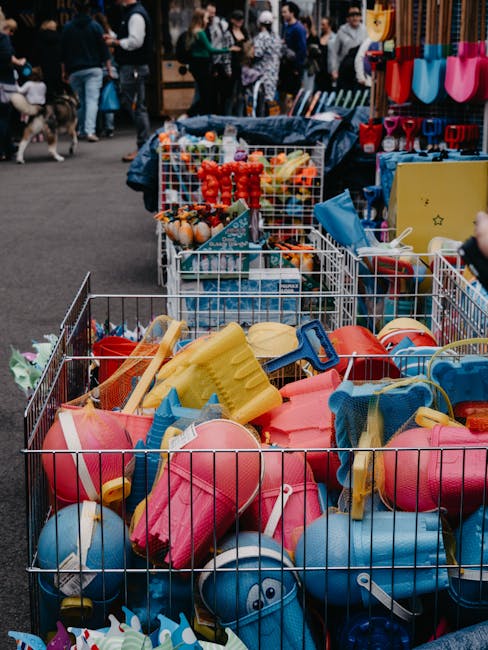
If you run a stall at Greenwich Market, rubbish is part of the job whether you like it or not. Cardboard builds up. Packaging gets wet. Broken display bits appear out of nowhere. And by the end of a busy trading day, the space behind your pitch can look very different from the neat stall customers see out front. This Greenwich Market trader rubbish removal guide for stallholders is here to make the whole process simpler, safer, and less stressful.
The aim is not just to "get rid of stuff". It is to help you keep trading smoothly, avoid messy build-ups, and stay on the right side of waste handling expectations in a busy market environment. That matters more than people think. A tidy stall is easier to work from, easier to restock, and far more pleasant when the market is buzzing and you are trying to serve customers without tripping over flattened boxes. Let's face it, nobody wants to spend Saturday afternoon staring at a pile of soggy packaging.
In this guide, you will learn what trader rubbish removal actually involves, how it works in practice, which waste types cause the most trouble, and how stallholders can build a simple routine that keeps waste under control. There is also a checklist, a comparison table, and some grounded tips based on the realities of market trading rather than airy theory.
- Why rubbish removal matters for stallholders
- How stall waste removal works
- Key benefits and practical advantages
- Who this is for and when it makes sense
- Step-by-step guidance
- Expert tips for better results
- Common mistakes to avoid
- Tools, resources and recommendations
- Law, compliance and best practice
- Options, methods and comparison table
- Case study or real-world example
- Practical checklist
- Conclusion
- Frequently asked questions
Why Greenwich Market trader rubbish removal guide for stallholders Matters
At Greenwich Market, rubbish is not just a background nuisance. It affects trading flow, customer experience, stall safety, storage space, and your opening and closing routine. If waste is left unmanaged, it quickly turns into a problem that spills into your next trading day. A couple of extra boxes here, a bundle of soft plastic there, and suddenly your pitch feels cramped and untidy.
For stallholders, the challenge is a little different from that of a household or office. You are often dealing with a mixed stream of waste in a very limited footprint, sometimes with no convenient place to store it for long. You may also be working around deliveries, loading windows, and busy pedestrian movement. That creates pressure to clear waste efficiently, not just eventually.
There is also a reputational side. In a market, visual impression matters. Customers notice bins left open, packaging drifting, or rubbish tucked awkwardly behind a stall. Even if your products are excellent, a cluttered setup can make the whole pitch feel less professional. Small thing? Maybe. But small things add up fast.
And then there is safety. Loose tape, broken crates, sharp packing straps, and stacked waste can create trip hazards or awkward lifting injuries. A good waste routine protects both you and anyone helping on the stall. In a place as lively as Greenwich, that is not something to leave to chance.
How Greenwich Market trader rubbish removal guide for stallholders Works
Trader rubbish removal usually works in stages. First, you separate what is reusable, recyclable, and true waste. Then you collect it in a way that does not block the stall. After that, you either move it to a designated waste point, store it briefly for collection, or arrange removal by a suitable waste contractor depending on your setup and the volume involved.
In practice, the system is often simpler when you create a fixed routine. For example, some traders sort waste as they unpack stock, then flatten cardboard straight away rather than waiting until the end of the day. That tiny habit saves a surprising amount of space. It also reduces the "where did all these boxes come from?" panic that hits just before closing.
Waste on a market stall tends to fall into a few familiar categories:
- Cardboard and paper from deliveries and packaging
- Soft plastics such as wrapping film or carrier-style packaging
- Food-related waste for food traders, including disposables and leftovers where applicable
- Broken display materials like shelving bits, signs, or damaged stock holders
- Bulky items such as worn furniture, crates, or old equipment
Not all waste can be treated the same way. A broken chair is not the same as clean cardboard. Food waste is different again. And if you are disposing of anything that counts as commercial waste, the handling expectations are more structured than a domestic throw-away-and-forget approach. That is one reason many stallholders look at commercial waste removal in Greenwich when the waste stream becomes regular rather than occasional.
For smaller, occasional clearances, some traders also use general rubbish collection in Greenwich to keep their pitch clear after a busy weekend. If a stall overhaul is involved, or you are clearing a back room or storage area at the same time, services such as waste clearance in Greenwich can be more practical.
Key Benefits and Practical Advantages
There is a straightforward reason stallholders care about waste removal: it saves time. But the real benefits go further than that.
- Cleaner trading space: A tidy pitch feels calmer, easier to work in, and more welcoming to customers.
- Faster set-up and pack-down: If waste is organised during the day, closing time stops feeling like a scramble.
- Reduced safety risks: Less loose material means fewer trip hazards and less awkward lifting.
- Better stock handling: Clean space makes it easier to see what is damaged, what can be reused, and what needs to go.
- Improved presentation: Customers tend to trust stalls that look cared for. Simple as that.
- Less stress on trading days: You are not trying to make decisions about waste while serving queues of people.
There is also a sustainability angle. Many traders are careful about what they throw away, especially when packaging volumes are high. When waste is sorted properly, you reduce unnecessary disposal and make better use of recyclable material. If that matters to your brand, it may be worth looking at recycling and sustainability alongside your broader market waste routine.
Another hidden benefit is storage. Market traders often work with limited back-of-house space, and waste can quietly eat into it. Clear that backlog, and suddenly the stall feels bigger. Not glamorous, perhaps, but very real.
Who This Is For and When It Makes Sense
This guide is for stallholders who handle any kind of regular waste at Greenwich Market, from handmade goods traders and vintage sellers to food vendors, plant sellers, and seasonal pop-up operators. If your pitch generates more than the odd small bag of waste, you will benefit from a routine rather than an improvised end-of-day clear-up.
It makes especially good sense if you:
- bring in boxed stock every week
- run a food or drink stall with packaging and disposable items
- have limited storage behind the pitch
- share loading access with other traders
- occasionally replace displays, shelves, or furniture
- want a neater, more professional front-of-stall presentation
It is also helpful if you are doing a refresh after a slow season. Some traders decide to strip out old stock, discard damaged display items, and reorganise the pitch before a busier trading period. In those cases, broader services like furniture disposal in Greenwich or even office clearance in Greenwich can be more suitable, depending on what is being removed.
If your stall is more than just a trading point and you also keep files, packaging stock, or admin items in a nearby workspace, a one-off tidy-out may be the moment to clear the lot properly. It sounds dull, but a clean start helps more than a lot of people expect.
Step-by-Step Guidance
Here is a practical way to handle market stall rubbish without making a meal of it. No drama. Just a method that works.
- Sort as you unpack. Separate clean cardboard, soft plastic, broken stock, and general waste from the start.
- Flatten bulky packaging immediately. Cardboard boxes are space-hungry. Once flattened, they are far easier to manage.
- Use clearly labelled bags or containers. If several people help on the stall, labels stop confusion later.
- Keep sharp or awkward items apart. Tape, broken wood, clips, and damaged display parts should not be mixed into soft waste.
- Do a mid-day sweep. A quick reset at lunch is often enough to prevent waste from piling up.
- Close the stall with a final sort. Before leaving, check what can be recycled, what needs collection, and what must not be left out.
- Arrange collection or removal on a schedule. Regular traders usually benefit from predictable pick-up rather than ad hoc decisions.
A simple example: a stall selling candles and homeware may end the day with cardboard sleeves, shredded paper, broken filler material, and a couple of damaged display props. If those materials are kept separate from the start, removal is quick. If they all end up in one black bag, it becomes messier, heavier, and harder to sort later. Also more annoying. Very annoying, if we are honest.
If you are dealing with mixed waste on a routine basis, a dedicated commercial collection arrangement is usually easier than trying to make each week feel different. That is where a service such as services overview can help you sense-check what type of support fits your trading pattern.
Expert Tips for Better Results
Over time, the traders who stay on top of waste usually do the same few things well.
- Keep waste stations visible. If people can see where waste belongs, they are more likely to use the right place.
- Choose stackable containers. Space is precious on market days.
- Remove cardboard before it gets damp. Wet cardboard is awkward, heavier, and less recyclable in practical terms.
- Separate reusable items quickly. If something can be used again, do not let it disappear into general waste by accident.
- Check what can be recycled before tossing it. A minute of thought can save a surprising amount of waste.
- Plan for the busiest trading days. Waste volumes usually rise when footfall is high.
One practical tip that gets overlooked: keep one "closing bag" or crate ready for end-of-day waste. When you are tired, in a hurry, and the market is still loud around you, that one container gives the whole process a shape. It sounds tiny. It helps a lot.
Another useful habit is to photograph recurring problem waste for a week or two. Not for drama, just for pattern spotting. You may notice that most of your waste comes from one packaging type or one supplier. Once you know that, you can reduce it at source. That is the good stuff, really.
Common Mistakes to Avoid
Most market waste problems do not start big. They start with a couple of small shortcuts that become habit.
- Leaving cardboard until closing time. It quickly takes over the stall.
- Mixing everything together. Sorting later is slower and usually more frustrating.
- Overfilling bags. Heavy bags are awkward to move and more likely to split.
- Ignoring bulky items. One damaged chair or display unit can hang around for weeks if no one takes ownership.
- Assuming all waste can go the same way. It cannot. Not safely, and not sensibly.
- Forgetting about loading access. A removal that is not planned around the market's movement can turn into a nuisance.
The most common mistake, though, is probably this: waiting until the waste looks bad before acting. By then, the problem is already costing time. Better to deal with it in small, regular bursts. Much less painful.
Tools, Resources and Recommendations
You do not need a huge kit to keep stall waste under control, but a few sensible tools make a big difference.
- Heavy-duty sacks or reusable bins: Choose something that matches your waste type and volume.
- Box cutters and tape scissors: Useful for flattening packaging efficiently and safely.
- Labelled tubs or crates: Great for separating recyclable material from general waste.
- Reusable wraps or storage bags: Helpful for traders who want to reduce packaging waste at source.
- Protective gloves: Worth having on hand for mixed or awkward waste.
- Simple log sheet: Track what is thrown away, what is reused, and what keeps recurring.
For larger or more irregular clear-outs, it can help to understand the difference between general waste disposal, commercial waste, and item-specific removal. For example, if you are replacing stockroom furniture or display shelving, house clearance in Greenwich may not be the best fit, while waste disposal in Greenwich or a furniture-specific service could make more sense. Likewise, if you are clearing damaged stock and mixed packaging, waste clearance in Greenwich is often the more straightforward route.
For those in food trading or stall setups that produce frequent commercial waste, it is worth checking the details of collection arrangements and payment clarity too. Reliable service matters when you are trading on a fixed rhythm and cannot afford vague timing.
Law, Compliance, Standards, or Best Practice
Waste handling for stallholders is not something to treat casually. In the UK, businesses are generally expected to manage commercial waste responsibly, keep it separate where needed, and use an authorised carrier for removal. The exact obligations can vary depending on your trading activity and waste type, so it is sensible to get practical advice rather than guess.
As a stallholder, the safest approach is to assume that anything generated by the stall is commercial waste, not household waste. That means you should be careful about:
- who removes it
- how it is stored before collection
- whether materials are separated sensibly
- how bulky or awkward items are handled
You also want to work with a provider that is clear about licensing and compliance. If you are comparing options, a page like waste carrier licence and compliance is useful because it speaks directly to trust and safe handling. That is not an area to skim past. If a carrier cannot show that they are operating properly, you do not want your stall waste becoming your headache later.
On a practical level, best practice usually means keeping your waste segregated, avoiding overflow, and never leaving sharp or unstable items where staff or the public might brush past them. For market settings, a tidy and predictable routine is often the simplest way to stay compliant without overcomplicating life.
There is also a wider ethical angle. If your business values responsible operations, it is worth reading about modern slavery statement and insurance and safety so you can judge the operator's overall standards, not just whether they can lift a sack quickly.
Options, Methods, or Comparison Table
There is more than one way to manage market stall rubbish. The right choice depends on how much waste you produce, how often it appears, and whether you need a one-off clear-out or a repeating arrangement.
| Method | Best for | Advantages | Watch-outs |
|---|---|---|---|
| Self-sorting and disposal | Very low waste volumes | Low cost, simple for occasional use | Can be time-consuming and awkward when volumes rise |
| Scheduled commercial collection | Regular traders with predictable waste | Consistent, efficient, easier to plan around trading | Needs good timing and a suitable service partner |
| One-off clearance | Refits, seasonal resets, or stock changes | Fast removal of mixed or bulky items | Not ideal as a weekly solution |
| Item-specific removal | Furniture, appliances, or bulky display items | Useful when waste is not generic | Requires more careful sorting and planning |
If you are a trader with mixed needs, you may end up using a blend of these methods. For instance, regular bin waste may be handled one way, while damaged display furniture is removed separately. That is normal. Not every stall runs on one neat system. Real life is a bit messier than that.
Case Study or Real-World Example
Imagine a stallholder selling home accessories and seasonal gifts. Over a busy fortnight, they build up cardboard boxes from deliveries, bubble wrap, damaged shelf clips, a broken display crate, and a handful of old signs that no longer match the brand. Nothing dramatic. Just steady clutter. The stall still functions, but opening and closing take longer each day.
At first, they try to manage it by pushing waste into a corner behind the pitch. That works for a day or two, then becomes annoying. Boxes get damp. Someone knocks a stack. A reusable item gets mixed in with waste by mistake. Suddenly the "quick tidy" becomes a full-on chore.
Once they switch to a proper routine, the change is obvious. Cardboard is flattened immediately. Reusable items are stored separately. Broken display pieces are gathered in one place. By the end of the day, the stall takes less time to close, and the team is not lifting awkward bags after standing all day. The pitch looks better too. Customers notice that, even if they do not say it out loud.
If the trader also runs a small nearby stockroom, the next sensible step might be a broader clean-up such as loft clearance in Greenwich for stored stock and old display materials. In a similar way, traders who keep event props or seasonal extras off-site sometimes benefit from a more general commercial waste removal Greenwich arrangement rather than a piecemeal approach.
The lesson is simple enough: once waste starts to shape the workday, it is no longer a side issue. It becomes part of the operating system. Better to own that early.
Practical Checklist
Use this checklist before, during, or after a trading day to keep waste under control.
- Have I separated cardboard, soft plastics, and general waste?
- Are any boxes still taking up space because they have not been flattened?
- Is there a safe place for sharp, broken, or awkward items?
- Have I checked whether anything can be reused instead of discarded?
- Do I know which items need a special removal route?
- Is my waste bag or container manageable, not overfilled?
- Have I planned how waste leaves the stall without blocking customers or other traders?
- Is there any bulky item that needs proper clearance rather than a standard bag?
- Do I know who is responsible for collection, if anyone else shares the space?
- Have I kept the pitch clear enough for safe movement at closing time?
If you can tick most of those boxes without thinking too hard, you are probably in decent shape. If not, that is fine too. Waste routines are built, not magically discovered.
Conclusion
Good stall waste management is not about perfection. It is about keeping things controlled, predictable, and safe enough that rubbish never becomes the thing that slows your trading down. For Greenwich Market stallholders, that means sorting waste early, using the right removal method for the right job, and staying realistic about what can be handled on the fly versus what needs proper collection.
The stalls that seem easiest to run are often the ones with the simplest waste habits. Not flashy. Just consistent. And consistency, as boring as it sounds, is what keeps the pitch clear, the pack-down quicker, and the day less frazzled.
Get a free quote today and see how much you can save.
When the day is done and the market starts to quieten, a clean stall gives you one less thing to carry home mentally. That matters more than it looks on paper.