Rubbish collection access problems on Greenwich Peninsula
Posted on 09/07/2026
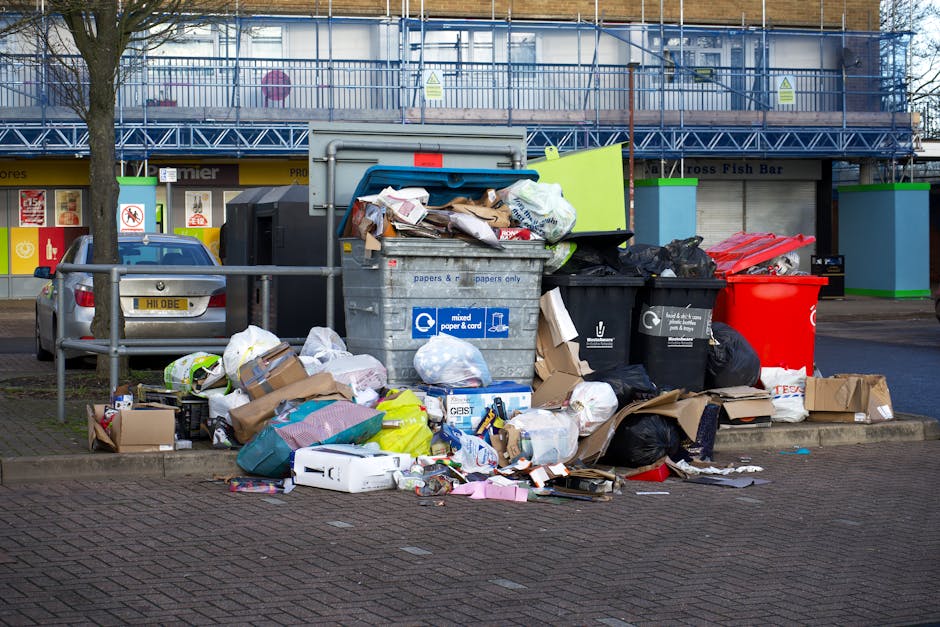
Rubbish collection access problems on Greenwich Peninsula: a practical local guide
If you live, work, or manage property on the Greenwich Peninsula, you will know that rubbish collection access problems can turn a simple job into a bit of a headache. Tight ???????-style service roads, gated estates, loading restrictions, awkward basement levels, concierge rules, and busy pedestrian routes all get in the way. The result? Missed collections, delayed clearances, blocked bins, and more stress than anyone needs.
This guide breaks down what these access issues actually look like, why they matter, and how to deal with them properly. We will cover planning, safety, compliance, and the small practical details that make a big difference on the ground. If you have ever wondered why a collection that should take ten minutes becomes a whole afternoon, you are in the right place.
Why Rubbish collection access problems on Greenwich Peninsula Matters
Access issues are not just a nuisance. They affect whether waste can be removed safely, on time, and without extra disruption to residents, staff, or visitors. On the Peninsula, that matters because the area combines tall residential blocks, riverside developments, commercial units, shared access points, and a lot of foot traffic. One blocked route can ripple through an entire collection schedule.
When access is poor, the obvious risks start showing up quickly: missed slots, manual carrying over long distances, damaged walls or flooring, and complaints from neighbours or building managers. Less obvious, but just as important, is the knock-on effect on cleanliness and hygiene. Overflowing waste attracts pests, creates smells, and makes communal spaces look neglected. Nobody wants that, least of all in a modern riverside development that is meant to feel well cared for.
For landlords and managing agents, access problems can also become a service issue. For businesses, they can affect trading hours and customer experience. For residents, they can mean bags sitting in hallways or bin stores for far too long. Truth be told, rubbish access sounds like a small operational detail until it is not.
Expert summary: The best rubbish collection outcomes on Greenwich Peninsula usually come from three things working together: clear access instructions, realistic timings, and the right collection method for the site. Miss one of those, and even a straightforward job can get messy.
How Rubbish collection access problems on Greenwich Peninsula Works
At its simplest, rubbish collection depends on two things: being able to reach the waste and being able to remove it safely. On the Greenwich Peninsula, that can mean navigating car-free zones, lift access, concierge-controlled entry, allocated loading bays, and narrow internal walkways. If the access route is not properly planned, the collection team may not be able to complete the job as expected.
In practice, access management often starts before the crew arrives. Someone needs to confirm where the waste is located, how it will be moved, whether there are parking or entry restrictions, and how long the route from the property to the vehicle will take. That sounds basic. It often is. But basic details are exactly what save time on site.
For example, a flat in a high-rise block may need lift access booked in advance. A restaurant unit may need a timed collection around deliveries. A construction project may require a loading bay permit or a handover point where waste can be left without blocking emergency routes. If those things are not clarified, the collection team may arrive ready to work and then spend half their time waiting, calling, or walking back and forth. Not ideal.
For larger or more complex clearances, many people use a dedicated local service such as rubbish collection in Greenwich or a broader waste clearance Greenwich solution, especially where bins, bulky items, or mixed waste need moving from awkward locations. If the waste is furniture-heavy, a specialist furniture removal Greenwich approach can be more efficient than trying to shift everything in one go.
And yes, some sites are simply awkward. Narrow doors, split-level entrances, wet weather, underground parking, and estate rules can all slow things down. The trick is not pretending those barriers do not exist. It is planning around them properly.
Key Benefits and Practical Advantages
When access is managed well, the benefits are immediate and very real. You get cleaner communal areas, fewer delays, less physical strain on staff or residents, and a lower chance of items being left behind. That last bit matters more than people think. A partially completed job usually creates more admin than a properly planned one.
There is also a comfort factor. If you have ever watched two people wrestle a bulky wardrobe through a tight corridor while a queue builds outside, you will know that a smoother route is not just more efficient; it is kinder to everyone involved. The noise drops, the mess drops, and the whole process feels calmer.
For property managers and businesses, access planning can also improve cost control. When the route is clear and the collection method is chosen properly, labour time is lower and the chance of unexpected add-ons is reduced. If you want to avoid hidden extras, it is worth reading hidden rubbish clearance charges to avoid in SE10 alongside your operational plan.
Other practical advantages include:
- faster turnarounds on scheduled collection days
- less damage to shared hallways, lifts, and entrances
- better compliance with building rules and site policies
- more predictable pricing and fewer disputes
- safer handling of heavy or awkward items
In short, access planning protects time, money, and relationships. That sounds a bit formal, but it is true.
Who This Is For and When It Makes Sense
This topic matters to more people than you might expect. It is not only for estate managers or trade crews. Residents, landlords, office managers, shop owners, event organisers, and anyone dealing with bulky or regular waste on the Peninsula can run into access problems.
You will probably need to think about access if you are:
- moving out of a flat with shared lifts or secure entry
- clearing furniture from a riverside apartment
- managing waste from a building project
- running a business with back-of-house collection needs
- preparing for an office clearance or tenant handover
- handling garden waste from a balcony or courtyard space
For residents in particular, access problems often crop up when bulky items are left too close to the collection point, or when no one has thought through how they will get down stairs, through lifts, or past tight corridors. If that sounds familiar, a guide like the SE10 flat rubbish clearance guide for Greenwich riverside estates can help you plan more realistically.
For businesses, the issue tends to be timing. Deliveries, customers, contractors, and waste removal all want the same limited space. That is where a bit of coordination saves the day. And sometimes the difference between a smooth collection and a stressful one is just a phone call to the building manager. Simple. But often missed.
Step-by-Step Guidance
If you want to reduce access issues, use a structured approach rather than trying to improvise on the day. This is one of those jobs where a few minutes of planning prevents a long, awkward afternoon.
- Identify the exact collection point. Is the waste in a flat, basement, bin store, loading area, rear yard, or communal corridor? Be specific.
- Check the route from the waste to the vehicle. Look for lifts, stairs, thresholds, tight turns, low ceilings, or locked doors.
- Confirm building rules. Some developments require advance notice, booking slots, or concierge approval.
- Measure the awkward bits. Door widths, lift dimensions, staircase turns, and parking distances can all matter.
- Separate waste by type. Furniture, appliances, garden waste, builders' rubble, and general rubbish should not be treated the same way.
- Choose a realistic collection method. If manual carrying is required, make sure there is enough time and staff. If not, a different service model may be better.
- Prepare the site before arrival. Clear obstructions, open access doors, and make sure the collection area is safe and dry if possible.
- Keep communication open. A quick update if the lift is out or the gate code changes can save a wasted visit.
If you are dealing with a larger property clean-out, it may also help to compare options such as house clearance Greenwich and loft clearance Greenwich, because access problems in upper floors or storage spaces need a slightly different approach. Likewise, if the task involves an office or shared workspace, office clearance Greenwich may be the more suitable route.
One small but helpful habit: take a quick photo of the access route before collection day. It sounds almost too simple, but it gives everyone a shared reference point and reduces misunderstandings. Especially when someone says, "It should fit through there," and, well, it clearly will not.
Expert Tips for Better Results
From experience, the best results come from treating access as part of the job, not an afterthought. The waste itself is only half the story. The other half is how it gets out.
Here are a few practical tips that make a real difference:
- Book the collection around the building rhythm. Avoid peak delivery times, school runs, or resident move-in windows where possible.
- Use the nearest safe access point, not just the nearest one. The shortest route is not always the best route.
- Keep items consolidated. Scattered waste slows everything down and increases the chance of damage.
- Label what is staying and what is going. This is especially useful in mixed-use buildings or office clearances.
- Check whether the item needs specialist handling. White goods, mattresses, and some bulky items are easier to remove when you know in advance what they are.
If the waste includes old fridges, washing machines, or similar items, consider white goods and appliance disposal Greenwich. It is often the safest and least messy choice for heavy appliances. For mixed household items, furniture disposal Greenwich can be a better fit than a general uplift.
A final tip: keep a backup plan for access. If the lift fails, if a gate code changes, or if a loading bay is occupied, do you know the next best route? If not, sort that out before collection day. It saves panic. And a bit of embarrassment, to be honest.
Common Mistakes to Avoid
Most access problems are not caused by one dramatic failure. They are caused by a few small oversights stacked together. That is why the same issues keep showing up again and again.
Common mistakes include:
- Assuming the building access is obvious. It usually is not.
- Forgetting to book lifts or service entrances. Shared buildings often need advance notice.
- Leaving bulky items too far from the exit. Even a few extra metres can matter with heavy loads.
- Not checking parking or stopping restrictions. Vehicles need a legal and practical place to wait.
- Mixing waste types. Builders' waste, green waste, and household rubbish may need different handling.
- Underestimating time. Access delays are real, and they add up quickly.
Another common issue is trying to solve a complex site with a generic collection plan. That is where specialist services make sense. For example, a renovation job might be better handled through builders waste disposal Greenwich, while regular commercial premises may need commercial waste removal Greenwich instead of ad hoc clear-outs.
If you are trying to avoid trouble, do not leave access planning until the waste is already sitting there. That is usually when shortcuts start costing money. And yes, everybody suddenly becomes very busy at that point.
Tools, Resources and Recommendations
You do not need complicated software to manage access well. A few practical tools and good habits are enough for most jobs.
- Site notes: Keep a simple written record of gates, lift instructions, codes, and loading points.
- Photos: Useful for checking whether large items will fit through the route.
- Measuring tape: Helpful for doors, lifts, stairs, and awkward corners.
- Calendar reminders: Best for booking concierge slots or collection windows.
- Waste categorisation: Separate furniture, general waste, garden waste, and appliances before the collection date.
For project planning and service comparisons, you may also find these pages useful: services overview, pricing and quotes, and payment and security. They are worth reviewing if you want a clearer picture of how a collection is structured before you commit.
For sustainability-minded readers, recycling and sustainability is also a sensible companion read. Access planning should not just be about speed; it should also support better sorting and reuse where possible.
When in doubt, choose clarity over convenience. A five-minute explanation to everyone involved is usually better than a five-hour misunderstanding later on.
Law, Compliance, Standards, or Best Practice
Access problems are often practical first and legal second, but compliance still matters. Waste must be handled by people and businesses that follow proper standards, and the collection process should not create unsafe conditions in shared spaces, on roads, or around building entrances.
In UK practice, the key things to keep in mind are straightforward: waste should only be handed to a properly authorised operator, the site should remain safe, and any loading or movement of waste should avoid creating hazards for residents, staff, or the public. For anything commercial, careful record-keeping and clear handover arrangements are especially important.
If you are comparing providers, it is reasonable to ask whether they hold the right waste carrier credentials and how they handle compliance. A trustworthy operator should be able to explain this in plain English. You should not need to decode jargon just to get your rubbish taken away.
Useful related pages include waste carrier licence and compliance, insurance and safety, and terms and conditions. If accessibility is part of the issue on your site, accessibility statement may also be worth a look, especially where routes, lifts, or entry systems affect disabled access or shared use.
For household, communal, or landlord-led jobs, a simple rule works well: do not force the collection through a route that is unsafe, unapproved, or likely to damage the building. A slightly longer route is usually the smarter one.
Options, Methods, or Comparison Table
There is no single best method for every Greenwich Peninsula access challenge. The right choice depends on how much waste there is, where it sits, and how hard it is to move. Here is a simple comparison to help with decision-making.
| Method | Best for | Strengths | Limitations |
|---|---|---|---|
| Standard kerbside-style collection | Easy access sites with straightforward pickup points | Quick, simple, lower coordination | Not suitable for hidden, internal, or bulky waste |
| Manually carried clearance | Flats, hallways, and shared buildings | Flexible, works in tight access areas | Slower and more labour-intensive |
| Specialist furniture or appliance removal | Large, heavy, or awkward single items | Safer handling, less damage risk | Needs clear item details in advance |
| Builders' waste clearance | Renovations, refurbishments, and trades work | Better for mixed heavy waste and site constraints | May require stricter access planning |
| House or office clearance | Whole-property or larger-volume jobs | Efficient for complete clear-outs | Needs the most preparation and access coordination |
For some readers, the choice will be obvious. A single fridge is not the same as a full flat clearance. A studio's worth of mixed waste is not the same as builders' rubble from a refit. Matching the method to the access situation is where the savings are.
Case Study or Real-World Example
Here is a realistic scenario. A resident in a riverside apartment on the Greenwich Peninsula needed to clear a sofa, a wardrobe, and a few bags of mixed household waste before moving out. At first glance, it looked simple. The flat was tidy, the building was modern, and the waste was all in one place.
Then the access details surfaced. The lift needed advance booking, the building had limited contractor windows, and the nearest loading space was not directly outside the entrance. If the items had been left until the last minute, the collection would probably have become a juggling act. Instead, the resident arranged the items beside the exit the day before, confirmed lift access, and checked the route with the concierge. The collection went ahead smoothly, with no awkward last-minute surprises.
That is the point, really. A good result often looks boring from the outside. No drama, no chaos, no one blocking a corridor with a chest of drawers at 8:45 in the morning. Boring is good in waste collection.
For a similar kind of move-out or tenancy handover, it may also help to review the bulky rubbish collection guide for residents at King William Walk or broader property context like Greenwich property transactions if the collection is tied to a sale, letting, or refurbishment timeline.
Practical Checklist
Use this checklist before collection day. It is short on purpose, because people actually use short checklists.
- Confirm the exact waste type and quantity
- Check lift, stair, and door access
- Book any required building access windows
- Confirm parking, stopping, or loading restrictions
- Move waste to a safe, reachable point where allowed
- Separate reusable, recyclable, and general waste where practical
- Protect floors, walls, and shared spaces if items are heavy or bulky
- Share gate codes, entry instructions, and site notes in advance
- Keep a contact number available on the day
- Have a backup plan if access changes unexpectedly
If the job involves multiple rooms, attics, or storage spaces, services like loft clearance Greenwich and waste disposal Greenwich can be a better starting point than trying to force a one-size-fits-all approach.
Get a free quote today and see how much you can save.
Conclusion
Rubbish collection access problems on Greenwich Peninsula are usually solvable, but only when they are treated as a real planning issue rather than an inconvenience to work around later. The best outcomes come from knowing the building, understanding the route, and choosing the right method for the type of waste involved.
Whether you are a resident clearing a flat, a landlord dealing with a handover, or a business managing regular waste, the same principle applies: make the access simple, safe, and clear. That single habit prevents most of the stress. And once you have done it properly a couple of times, it becomes second nature.
In a busy part of London, the small things really do add up. A clear corridor, a booked lift, a sensible loading plan. Nothing flashy, just the stuff that keeps a collection moving. And that, to be fair, is what people want most of the time.