Hidden rubbish clearance charges to avoid in SE10
Posted on 25/06/2026
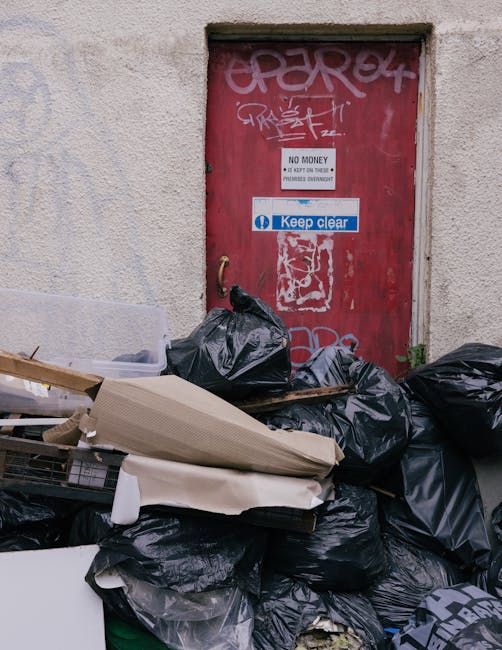
If you have ever received a rubbish clearance quote that looked fine at first glance, only to see the price climb later, you will know how annoying it feels. In SE10, where flats, terraces, garden spaces, and busy commercial premises all create different waste challenges, hidden rubbish clearance charges can turn a straightforward job into a frustrating one. This guide explains the common fee traps, how pricing usually works, and the simple checks that help you avoid paying more than you should. It is practical, local, and written for anyone who wants a fair, transparent service without the last-minute sting.
Truth be told, most clearance jobs are not complicated. The problems usually start when the quote is vague, the load is described poorly, or extra handling costs are tucked into the small print. By the end of this article, you will know what to ask, what to watch for, and how to compare providers properly.
Why Hidden rubbish clearance charges to avoid in SE10 Matters
Hidden charges matter because waste removal is one of those services where the final bill can change quickly if the scope is not clear. In SE10, that risk is even higher. You may be dealing with narrow access, upper-floor flats, parking limits, mixed waste, or items that need more than one person to carry. A quote that looks low may only be low because it assumes perfect conditions. In real life, things are rarely perfect. A sofa down three flights of stairs on a rainy weekday is not the same as a few bags taken from a front drive.
The other reason this matters is trust. Good rubbish clearance should feel clear from the start. If a company is upfront about labour, access, loading time, and disposal costs, you can make a calm decision. If not, you end up paying for confusion. Not ideal, obviously.
For local homeowners, landlords, tenants, tradespeople, and business owners, the hidden fee issue can affect budgeting, move-out timing, and even compliance. A messy cost breakdown can also make it harder to compare services like waste clearance in Greenwich, rubbish collection, or specialist help such as furniture disposal.
Expert summary: The cheapest quote is not always the best value. In SE10, the safest choice is usually the one that explains what is included, what is not included, and exactly when the price can change.
How Hidden rubbish clearance charges to avoid in SE10 Works
Most rubbish clearance pricing works in one of three ways: by load size, by item type, or by a job-specific quote. In a simple bag-and-bin scenario, pricing may feel easy to understand. But once bulky furniture, appliances, builders' waste, loft items, or garden debris enters the picture, extra charges often appear. The key is to understand what creates those changes before you agree to anything.
Common pricing variables include:
- volume of waste, often measured as part load or full load
- weight, especially for heavy materials like rubble or soil
- access difficulty, such as stairs, narrow hallways, or no lift
- item type, including white goods, mattresses, and awkward furniture
- sorting time if waste needs separating before collection
- parking, waiting, or congestion-related delays
- disposal route, which may vary by material and recyclability
That last point is important. Some providers present disposal as a simple truck-and-tip exercise, but the best operators will factor in lawful handling, recycling where possible, and safe transfer to licensed facilities. If you are arranging more specialised work, such as builders' waste disposal or white goods and appliance disposal, the price structure often shifts again because those items need different treatment.
Let's face it: hidden charges usually come from vague wording. Phrases like "subject to access", "from price", or "additional handling may apply" are not necessarily bad, but they should be explained before you book. If a company cannot translate that into plain English, I would be cautious.
Key Benefits and Practical Advantages
Knowing the hidden fees to avoid gives you more than just peace of mind. It improves the whole decision-making process.
- Better budgeting: you can plan the actual spend instead of guessing.
- Cleaner comparisons: you compare like for like, not headline price against headline price.
- Less stress on the day: fewer arguments over "unexpected" conditions.
- Faster booking decisions: once the quote is clear, you can move on.
- Reduced risk of overpaying: especially on jobs involving bulky, mixed, or hard-to-access waste.
- More confidence in the provider: transparency is usually a good sign across the board.
There is also a practical local advantage in SE10: many properties have specific access quirks. A good quote process helps account for them before the van arrives outside your building or mews. Nobody wants to discover, at 8:15 on a damp Tuesday morning, that the lift is out and the quote assumed otherwise. That kind of morning has a particular flavour, and not a pleasant one.
If your job includes a home move, probate clear-out, or property preparation, transparent pricing can also protect timelines. For larger clearances, services such as house clearance or loft clearance are much easier to manage when the scope is written down properly from the start.
Who This Is For and When It Makes Sense
This guide is for anyone in SE10 who needs waste removed and wants to avoid paying for surprises. That includes:
- homeowners clearing out furniture, old appliances, or general junk
- tenants preparing for end-of-tenancy handover
- landlords clearing a property between lets
- flat owners dealing with bulky items in blocks with tight access
- builders and decorators managing leftover site waste
- office managers arranging a workplace clear-out
- local businesses with regular commercial waste needs
It also makes sense if you are not in a rush but still want things done properly. For example, if you are comparing general waste removal with something more specific like commercial waste removal or office clearance, the pricing rules are different enough that assumptions can cost you.
Another good time to read this is before a seasonal clear-out. Spring, pre-move, and post-renovation jobs tend to produce more waste than people expect. You start with a few bags and next thing you know there's a broken wardrobe, three paint tins, and a mountain of packaging. Happens all the time.
Step-by-Step Guidance
Here is a simple process for spotting hidden rubbish clearance charges before they land on your invoice.
- List everything that needs removing. Be specific. "General waste" is too broad. Say sofa, mattress, two chairs, mixed bags, cardboard, old fridge, or garden cuttings.
- Check access honestly. Mention stairs, lifts, parking issues, basement storage, narrow hallways, locked gates, or restricted loading space. If it is awkward, say so.
- Ask what the quote includes. Labour, loading, disposal, recycling, and VAT should all be clear.
- Ask what could change the price. Get the conditions in plain language. For example, "Will the price change if there are more items on arrival?"
- Confirm item-specific fees. Appliances, mattresses, builder's waste, and heavy materials may be priced differently.
- Request a written summary. Even a short message confirming scope is better than relying on memory.
- Read the terms before you accept. Look for wording around waiting time, missed access, cancellation, and on-site reassessment.
- Compare more than the headline price. A slightly higher quote with clear terms is often better value.
A useful habit is to take a quick photo of the waste before the booking. Not for drama, just for clarity. It helps both sides avoid the "that's not what I expected" conversation. And honestly, that conversation is rarely fun for anyone.
If you are planning a garden tidy-up, compare it with specialist help like garden waste removal. If you are dealing with mixed general waste from a flat, rubbish collection in Greenwich may be the better fit, depending on the job size and access.
Expert Tips for Better Results
These are the small details that often make the biggest difference.
- Be exact about item count. "A few bits" is a red flag for misunderstanding.
- Separate easy-load and hard-load items. This helps the provider price fairly.
- Ask whether the quote assumes ground-floor access. That one catches people out a lot.
- Check if the provider handles recycling and sorting. Good sorting can reduce waste and improve value.
- Ask if there is a minimum charge. Small jobs sometimes cost more than expected because of operational minimums.
- Be clear about timing. Same-day, evening, or weekend collections may be priced differently.
In our experience, the best conversations are the dull ones. The provider asks a few practical questions, you answer them plainly, and the price becomes easier to trust. Boring? Maybe. Useful? Absolutely.
If sustainability matters to you, it is also worth asking how the waste will be handled. A responsible approach to sorting and reuse matters, especially for items that can be diverted from landfill. You can also explore the company's recycling and sustainability approach to see whether it lines up with your expectations.

Common Mistakes to Avoid
Most hidden-charge complaints come down to a few repeated mistakes.
- Accepting a quote from a vague description. If the waste is not described properly, the price can change later.
- Forgetting access details. A job on the fourth floor with no lift is not the same as a front-drive collection.
- Ignoring item-specific pricing. Fridges, freezers, mattresses, and heavy rubble often have separate rules.
- Not checking the terms. The answer is often there, buried in plain sight.
- Assuming "all-in" means everything. Sometimes it means only what was visible at quote stage.
- Booking in a rush. A rushed booking is where tiny misunderstandings become expensive.
One especially common issue in SE10 is underestimating how much waste is actually present. A loft or storage cupboard can look harmless from the doorway, then you open it and realise there are years of accumulated boxes, broken small furniture, and old decor items. It happens to the best of us.
For properties in flats or riverside developments, it may help to read practical location-based guidance such as the SE10 flat rubbish clearance guide or the King William Walk bulky rubbish collection guide if your building has access or loading quirks.
Tools, Resources and Recommendations
You do not need fancy tools to avoid hidden rubbish clearance charges, but a few simple resources help a lot.
- A phone camera: take clear photos of the waste and the access route.
- A rough item list: count bags, pieces of furniture, appliances, and heavy items separately.
- Building access notes: lift access, permit restrictions, concierge rules, and working hours.
- A comparison checklist: use the same questions for every provider.
- Written confirmation: keep the message or email that sets out what was agreed.
Useful service pages can also help you understand the scope of a job before you book. For example, services overview gives a broader picture of what types of clearance are typically covered, while pricing and quotes is the right place to understand how clear estimates should be presented.
If your load includes household items, the dedicated furniture removal page is helpful for understanding how bulky pieces are usually handled. For waste generally, waste disposal in Greenwich can be a sensible starting point.
Law, Compliance, Standards, or Best Practice
When you book rubbish clearance, compliance matters even if the job feels small. In the UK, waste should be handled by a properly authorised carrier and taken to an appropriate disposal route. As a customer, you are not expected to become a waste-law expert, but you are wise to check that the provider operates responsibly and can explain how your waste is managed.
Best practice usually includes:
- clear identification of what is being collected
- transparent pricing and fair terms
- safe lifting and loading procedures
- appropriate handling of electrical items and heavy materials
- recycling or reuse where practical
- proof that the carrier follows lawful waste management processes
That is why pages such as waste carrier licence and compliance, insurance and safety, and terms and conditions matter so much. They help you judge whether a provider is organised, accountable, and serious about doing the job properly.
If you are dealing with business premises, extra care is sensible. Commercial waste, office clear-outs, and trader waste can all have different handling needs, and that can affect both price and process. A reputable provider should be happy to explain this without making it sound mysterious. It is rubbish, not rocket science.
Options, Methods, or Comparison Table
Different rubbish clearance options suit different situations. The wrong choice is where hidden costs often begin, because the service does not match the job.
| Option | Best for | Pros | Watch out for |
|---|---|---|---|
| General rubbish collection | Mixed household or light business waste | Flexible, usually quick to arrange | Can become expensive if heavy or bulky items are added later |
| House clearance | Whole-property or large-room clear-outs | Good for bigger jobs with varied waste types | Access and item volume must be described accurately |
| Furniture disposal | Sofas, wardrobes, beds, tables | Simple for bulky household items | Stairs, dismantling, and awkward size may affect cost |
| Builders' waste disposal | Renovation and site waste | Designed for heavy or mixed construction debris | Weight and material type often change pricing |
| Garden waste removal | Cuttings, branches, soil, green waste | Good for outdoor clean-ups | Soil, turf, and dense green waste can cost more than expected |
The short version: pick the service that actually matches your load. If you choose the wrong one, the hidden charge often appears because the company has to adapt mid-job.
Case Study or Real-World Example
Picture a SE10 flat clear-out after a long tenancy. The tenant wants a sofa removed, a broken desk, six bags of general waste, an old microwave, and some packaging from a recent furniture delivery. On the phone, they say, "It's just a few bits." That sounds harmless, but it misses the real detail.
The provider arrives and finds the flat is on the third floor, the lift is slow, the sofa is wider than expected, and the desk needs partial dismantling before it can move. If the quote did not mention stair carry, dismantling, or appliance handling, the price may jump. Not because anyone is being awkward, but because the job is not what was described.
Now compare that with a better approach. The customer sends photos, lists each item, mentions the floor level, and confirms there is no lift at certain times of day. The provider can quote more accurately, the customer understands the scope, and the job gets done with less fuss. Simple, but that simplicity is earned.
This is also where local context helps. SE10 properties vary a lot. Riverside flats can be easy to access in one block and maddening in the next. Older homes can hide narrow staircases. Newer developments may have concierge rules. Even small details, like where a van can stop, matter more than people expect.
Practical Checklist
Use this before you confirm any rubbish clearance booking in SE10:
- Have I listed every item clearly?
- Have I included photos where useful?
- Have I told the provider about stairs, lifts, parking, or gate access?
- Do I know whether the quote includes labour and disposal?
- Have I asked about extra charges for heavy, bulky, or specialist items?
- Have I checked whether same-day, weekend, or evening work costs more?
- Do I understand the cancellation or waiting-time terms?
- Have I compared at least two quotes on the same basis?
- Is the provider clear about recycling and lawful waste handling?
- Have I kept written confirmation of the agreed scope and price?
If you can tick most of those off, you are already ahead of many people who book in a rush and hope for the best. Hope is lovely, but a written quote is better.
Get a free quote today and see how much you can save.
Conclusion
Hidden rubbish clearance charges in SE10 are usually avoidable once you know where they come from. The real trick is not hunting for the cheapest headline price. It is understanding the job properly, asking the right questions, and making sure the quote reflects your actual waste, access, and timing needs. That way, the final price feels fair rather than surprising.
Whether you are clearing a flat, removing a sofa, tidying a garden, or preparing a property for sale, the best result is a clean job with no awkward extras. And that, to be fair, is what most people want anyway: a service that just works, without the little sting at the end.
Take your time, compare carefully, and trust the providers who are clear before they are booked. It usually pays off.